Post
How to Build a Home Music Studio on a Budget
Jun
How to Build a Home Music Studio on a Budget
When it comes to creating music at home, few decisions matter more than building the right studio setup. Many aspiring musicians, producers, podcasters, and content creators dream of having a professional recording space, but often assume that it requires thousands of dollars in equipment. Fortunately, modern technology has made it easier and more affordable than ever to create a high-quality home music studio without spending a fortune.
A budget-friendly home studio can provide everything you need to record vocals, instruments, podcasts, and original music. The key is understanding which equipment is truly necessary and which purchases can wait until later. With smart planning and careful budgeting, you can create a productive recording environment that delivers impressive results.
In this guide, you’ll learn how to build a home music studio on a budget, including essential equipment, room setup, recording tips, and ways to maximize your investment.
Define Your Studio Goals
Before purchasing any equipment, it’s important to determine what you plan to do in your home studio.
Ask yourself:
Will you record vocals?
Do you play guitar or other instruments?
Are you producing electronic music?
Will you record podcasts?
Do you need live instrument recording?
Are you creating content for YouTube or social media?
Your goals will influence every purchase you make. A singer-songwriter may need different equipment than a beat producer or podcaster.
By identifying your primary purpose, you can avoid spending money on unnecessary gear.
Choose the Right Recording Space
One of the biggest mistakes beginners make is focusing entirely on equipment while ignoring the room itself.
Even expensive microphones can sound poor in a room with excessive echo and background noise.
Look for a space that:
Is relatively quiet
Has minimal outside noise
Contains furniture, rugs, or curtains
Has limited hard reflective surfaces
Provides enough room to work comfortably
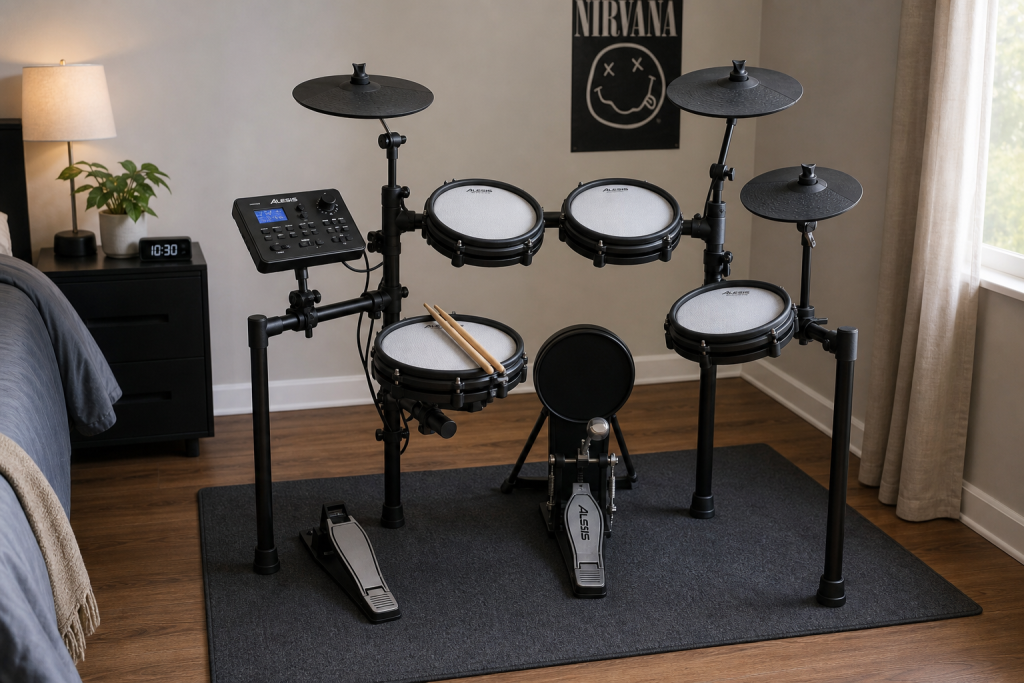
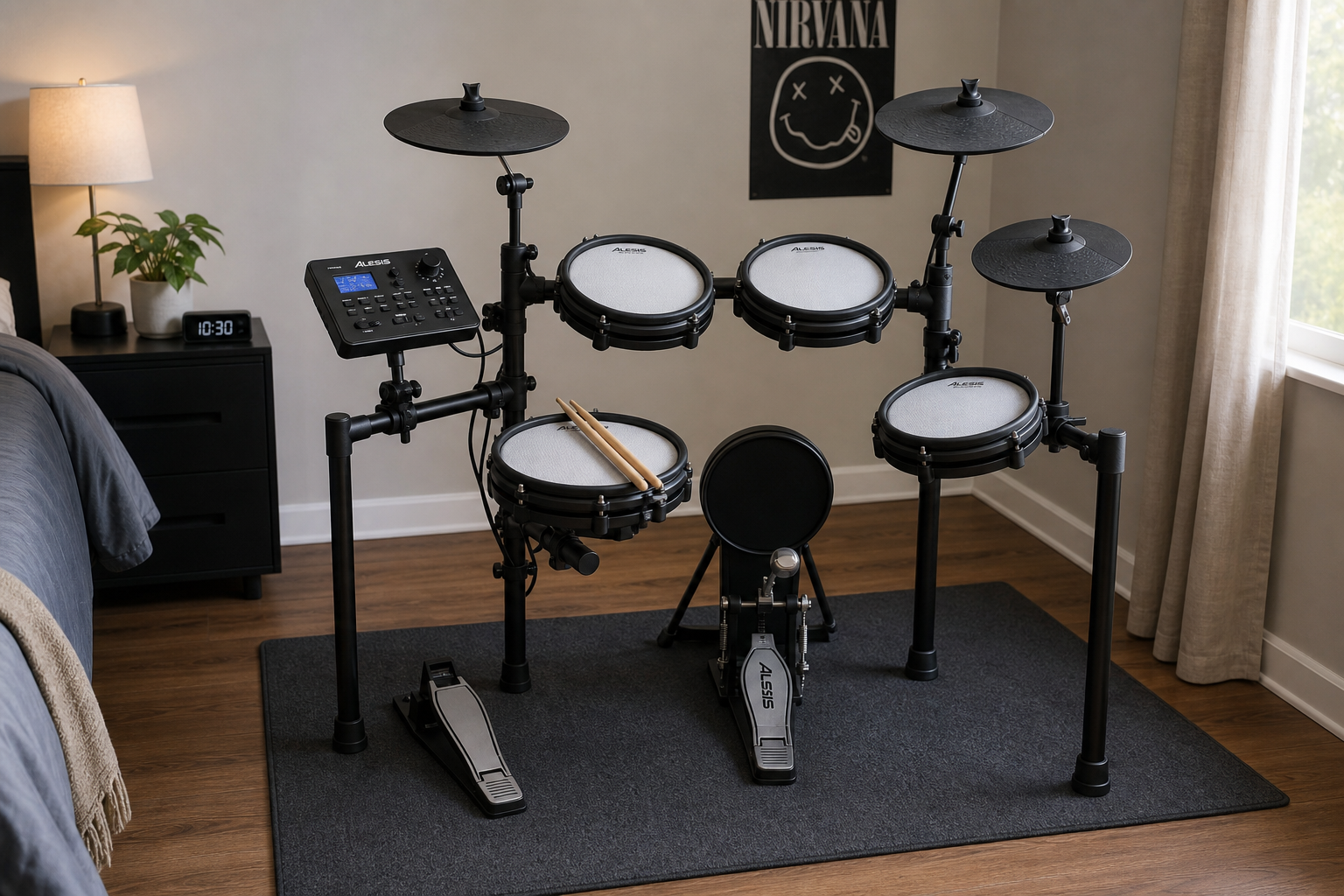
Bedrooms often make excellent budget studio spaces because carpets, beds, and curtains naturally absorb sound reflections.
A well-treated room can improve audio quality more than many expensive upgrades.
Invest in a Reliable Computer
The computer serves as the heart of your home studio.
Fortunately, you don’t need a high-end workstation to start producing music.
A budget-friendly studio computer should include:
Modern multi-core processor
Minimum 8GB RAM
SSD storage
Stable operating system
USB connectivity
Many existing laptops and desktops are capable of handling basic recording and production tasks.
If your current computer performs smoothly during everyday tasks, it may already be sufficient for beginner music production.
Select a Digital Audio Workstation (DAW)
A Digital Audio Workstation, commonly called a DAW, is the software used to record, edit, mix, and produce music.
Popular budget-friendly DAWs include:
GarageBand
Reaper
Cakewalk
Studio One Artist
Ableton Live Intro
FL Studio
Many DAWs offer free trials or affordable entry-level versions that provide more than enough functionality for beginners.
Spend time learning your DAW thoroughly before investing in additional software.
Purchase an Audio Interface
An audio interface converts analog sound into digital signals that your computer can process.
It is one of the most important purchases for any home studio.
A good budget interface should include:
At least one microphone input
Headphone output
Low latency performance
USB connectivity
Reliable audio drivers
Many affordable interfaces provide excellent sound quality and enough features for recording vocals, guitars, and other instruments.
For beginners, a two-input interface is often more than sufficient.
Buy a Quality Microphone
The microphone directly impacts recording quality, making it one of the most important investments in your studio.
For budget-conscious users, a large-diaphragm condenser microphone is often the best choice.
These microphones perform well for:
Vocals
Podcasts
Acoustic instruments
Voiceovers
Streaming
Popular entry-level microphones offer professional-quality recordings at surprisingly affordable prices.
Remember that microphone placement and room acoustics often matter more than purchasing the most expensive model available.
Use Closed-Back Headphones
Studio headphones are essential for recording and monitoring.
Closed-back headphones help prevent audio leakage during recording sessions.
Benefits include:
Accurate monitoring
Reduced microphone bleed
Improved focus
Better detail recognition
While professional studio monitors are helpful, many beginners can successfully start with a good pair of headphones.
This approach saves money while still allowing accurate editing and mixing.
Consider Studio Monitors Later
Studio monitors are specialized speakers designed for accurate audio reproduction.
Although useful, they are not absolutely necessary when building a budget studio.
If funds are limited, prioritize:
Computer
DAW
Audio interface
Microphone
Headphones
You can always add monitors as your skills and budget grow.
Many successful producers begin their careers using only headphones.
Improve Room Acoustics Affordably
Acoustic treatment doesn’t need to be expensive.
Simple improvements can significantly enhance recording quality.
Budget-friendly solutions include:
Thick curtains
Area rugs
Bookshelves
Foam panels
Moving blankets
Fabric-covered walls
These materials help absorb reflections and reduce unwanted room echo.
You don’t need a professionally designed studio to achieve clean recordings.
Small acoustic improvements often provide dramatic benefits.
Essential Accessories
Several inexpensive accessories can improve both comfort and recording quality.
Microphone Stand
A sturdy microphone stand ensures stable positioning and reduces handling noise.
Pop Filter
Pop filters minimize plosive sounds caused by letters such as “P” and “B.”
Audio Cables
Reliable cables prevent signal loss and reduce unwanted interference.
External Hard Drive
Music projects consume significant storage space. An external drive provides affordable backup protection.
Desk and Chair
Comfortable furniture supports longer recording and editing sessions.
These accessories may seem minor, but they contribute significantly to workflow efficiency.
Use Free Plugins
One of the best ways to save money is by taking advantage of free audio plugins.
Many free plugins offer professional-level performance.
Useful categories include:
Equalizers
Compressors
Reverbs
Delays
Synthesizers
Noise reduction tools
Before purchasing premium software, explore the extensive range of free options available.
Many experienced producers still rely on free plugins in professional projects.
Learn Recording Techniques
Equipment alone does not guarantee great recordings.
Developing proper recording skills can dramatically improve your results.
Focus on learning:
Microphone placement
Gain staging
Vocal recording techniques
Basic mixing
Audio editing
Room acoustics
Knowledge often delivers greater improvements than expensive gear upgrades.
A well-trained producer with budget equipment can outperform an inexperienced user with costly hardware.
Upgrade Gradually
One of the smartest strategies for building a home studio is upgrading over time.
Avoid buying everything at once.
Instead:
Start with essentials.
Learn your equipment.
Identify limitations.
Upgrade strategically.
This approach prevents unnecessary spending while ensuring each new purchase provides genuine value.
As your skills improve, you’ll better understand which upgrades will have the greatest impact.
Why Choose This Product?
Building a home music studio on a budget offers numerous advantages for musicians and creators.
Affordable Entry into Music Production
Modern technology allows beginners to create professional-quality recordings without large financial investments.
Creative Freedom
A home studio provides unlimited opportunities to write, record, and experiment whenever inspiration strikes.
Long-Term Savings
Recording at home eliminates many studio rental costs.
Skill Development
Operating your own studio teaches valuable recording, mixing, and production skills.
Flexible Workflow
You can work at your own pace without scheduling conflicts or time limitations.
Scalable Investment
A budget studio can grow gradually as your experience and requirements evolve.
Professional Results
With proper setup and knowledge, even affordable equipment can produce impressive recordings suitable for streaming platforms, social media, podcasts, and independent music releases.
Conclusion
Building a home music studio on a budget is more achievable today than ever before. By focusing on essential equipment, choosing an appropriate recording space, improving room acoustics, and learning fundamental production skills, you can create a highly effective studio without overspending.
Remember that success in music production depends more on creativity, knowledge, and consistent practice than on expensive gear. A modest setup consisting of a computer, DAW, audio interface, microphone, and headphones can provide everything needed to begin recording professional-quality audio.
As your skills grow, your studio can grow with you. Start with the basics, invest wisely, and focus on developing your craft. With patience and dedication, your budget home music studio can become a powerful tool for bringing your musical ideas to life.
