Post
The Evolution of Modern Musical Instruments and Technology
Jun
The Evolution of Modern Musical Instruments and Technology
When it comes to creating music, few choices matter more than selecting the right musical instrument. Throughout history, musical instruments have evolved alongside human civilization, reflecting cultural changes, technological advancements, and artistic innovation. From ancient drums and wooden flutes to sophisticated digital synthesizers and AI-powered music production tools, the journey of musical instruments is a fascinating story of creativity and technological progress.
Today’s musicians have access to an unprecedented variety of instruments and technologies that allow them to create, record, edit, and distribute music more efficiently than ever before. Modern musical instruments combine traditional craftsmanship with cutting-edge engineering, enabling performers to achieve sounds that were once unimaginable.
This article explores the evolution of modern musical instruments and technology, examining how innovation has transformed the way music is created, performed, and experienced around the world.
The Origins of Musical Instruments
Long before modern technology existed, humans created simple instruments using natural materials found in their surroundings. Archaeologists have discovered ancient flutes made from animal bones that date back tens of thousands of years. Early civilizations also developed drums, rattles, harps, and stringed instruments to accompany ceremonies, storytelling, and entertainment.
These primitive instruments laid the foundation for the musical traditions that continue to influence modern music today. Although they were simple in design, they demonstrated humanity’s desire to express emotion and communicate through sound.
As societies grew more advanced, instrument makers began experimenting with different materials and construction techniques. Wood, metal, animal skins, and various natural fibers were carefully selected to improve sound quality and durability.
The Rise of Classical Instrument Design
During the Renaissance and Baroque periods, instrument building became a specialized craft. Skilled artisans refined the designs of many instruments that remain popular today.
The violin family emerged as one of the most significant developments in music history. Violins, violas, cellos, and double basses became central components of orchestras due to their expressive range and tonal versatility.
Keyboard instruments also evolved significantly during this period. Harpsichords eventually led to the development of the piano, which offered musicians greater dynamic control and expressive possibilities.
Wind instruments such as flutes, clarinets, oboes, and trumpets underwent continuous improvements, enabling performers to achieve more accurate tuning and expanded musical capabilities.
The innovations of this era established many of the standards still used in modern instrument design.
The Industrial Revolution and Instrument Manufacturing
The Industrial Revolution transformed nearly every aspect of society, including the production of musical instruments.
Before industrialization, instruments were handcrafted individually, making them expensive and difficult to obtain. Advances in manufacturing introduced standardized parts and more efficient production methods, allowing instruments to become more accessible to a wider audience.
Several important developments emerged during this period:
Improved metalworking techniques
More precise machining tools
Better string manufacturing
Enhanced keyboard mechanisms
Greater consistency in instrument construction
As production costs decreased, music education expanded and more people gained access to quality instruments.
This period also saw significant improvements in instrument durability and reliability, helping establish modern standards of performance.
The Birth of Electronic Instruments
The twentieth century introduced one of the most revolutionary developments in music history: electronic instruments.
Inventors began experimenting with electricity to generate and manipulate sound. Early electronic instruments included devices such as the theremin, one of the first instruments played without physical contact.
As technology advanced, electronic organs and synthesizers emerged. These instruments allowed musicians to create entirely new sounds that traditional acoustic instruments could not produce.
Electronic instruments offered several advantages:
Expanded sound possibilities
Greater volume control
Enhanced versatility
New performance techniques
Innovative compositional options
Musicians quickly embraced these technologies, leading to the birth of entirely new musical genres.
The Rise of the Electric Guitar
Few instruments have had as much cultural impact as the electric guitar.
Developed to solve volume limitations faced by acoustic guitars, the electric guitar transformed popular music during the twentieth century. Amplification allowed guitarists to perform in larger venues and compete with louder ensembles.
Innovations such as pickups, amplifiers, and effects pedals gave musicians unprecedented control over their sound.
Electric guitars became central to numerous genres including:
Rock
Blues
Jazz
Metal
Pop
Alternative music
The instrument’s versatility and expressive potential continue to make it one of the most influential tools in modern music.
Digital Technology Changes Everything
The digital revolution fundamentally transformed music production and performance.
Computers enabled musicians to record, edit, and manipulate audio with incredible precision. Digital Audio Workstations (DAWs) replaced many traditional recording processes, allowing artists to produce professional-quality music from home studios.
Key technological innovations included:
MIDI technology
Digital synthesizers
Sampling systems
Virtual instruments
Computer-based recording
Audio editing software
These tools dramatically reduced production costs while expanding creative possibilities.
Today, musicians can access thousands of virtual instruments that accurately replicate pianos, orchestras, drums, and countless other sounds.
Smart Instruments and Connectivity
Modern instruments increasingly incorporate advanced digital features and connectivity options.
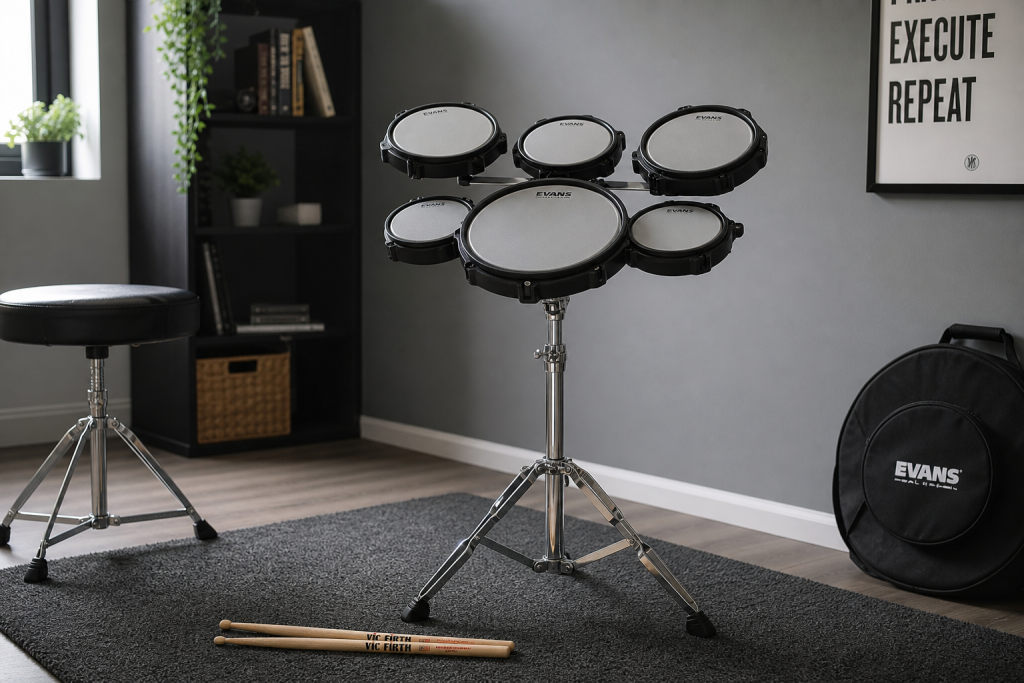
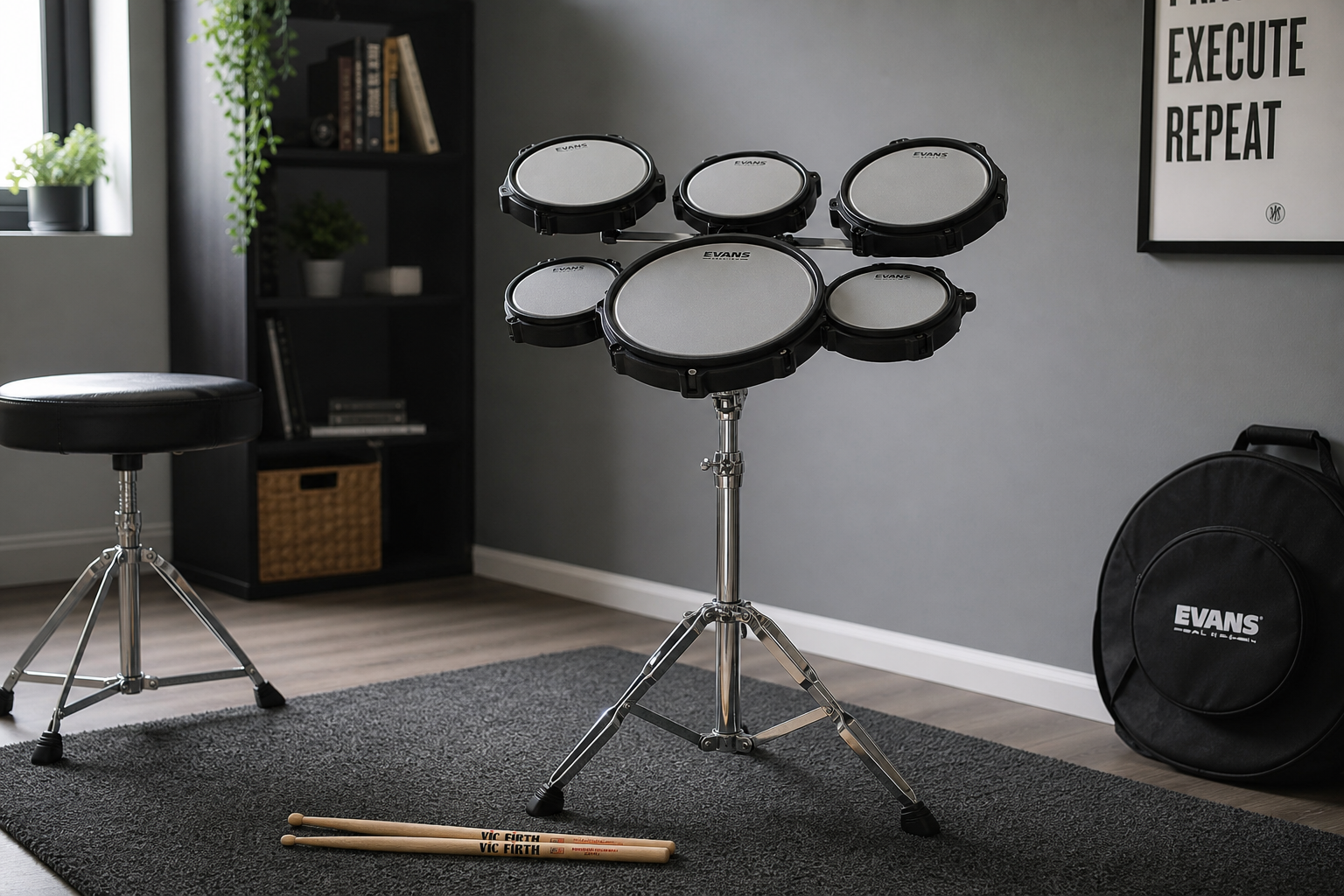
Many contemporary keyboards, guitars, and electronic drum kits can connect directly to computers, smartphones, and tablets. These connections enable musicians to access educational apps, recording software, and online collaboration platforms.
Smart instruments often include:
Bluetooth connectivity
USB integration
Built-in recording capabilities
Interactive learning systems
Automatic tuning features
Performance analytics
These innovations help musicians improve their skills while simplifying the creative process.
Artificial Intelligence in Music
Artificial Intelligence represents one of the newest frontiers in musical technology.
AI-powered tools can assist with:
Songwriting
Composition
Sound design
Mixing
Mastering
Music recommendation
While AI cannot replace human creativity, it provides valuable support for musicians seeking inspiration and efficiency.
Many modern music production platforms now incorporate machine learning algorithms that help users create professional-quality recordings more quickly.
As AI technology continues to evolve, its role in music creation will likely expand even further.
The Future of Musical Instruments
The future of musical instruments promises even greater innovation.
Emerging technologies such as virtual reality, augmented reality, and advanced motion sensors are creating entirely new methods of musical interaction.
Future developments may include:
Gesture-controlled instruments
Immersive virtual performance environments
AI-assisted composition systems
Advanced haptic feedback devices
Fully customizable digital instruments
Cloud-based collaborative music platforms
These technologies could fundamentally reshape how musicians create and share their work.
Despite rapid technological progress, traditional acoustic instruments will likely remain important due to their unique character, craftsmanship, and emotional connection.
The Impact on Musicians and Audiences
Technological evolution has benefited both musicians and listeners.
Artists now have access to tools that were once available only to major recording studios. Independent musicians can produce, market, and distribute music globally with minimal resources.
Audiences also benefit from:
Improved sound quality
Greater musical diversity
Easier access to music
Interactive performance experiences
Personalized listening options
Technology has helped democratize music creation and consumption, making artistic expression more accessible than ever before.
Why Choose This Product?
Understanding the evolution of modern musical instruments and technology offers several valuable benefits.
Enhanced Appreciation
Learning how instruments have developed helps musicians and listeners appreciate their craftsmanship and innovation.
Better Purchasing Decisions
Knowledge of modern technologies enables consumers to select instruments that best suit their goals and skill levels.
Expanded Creative Opportunities
Modern instruments provide access to a wider range of sounds and performance possibilities.
Improved Learning Experience
Technology-assisted learning tools make musical education more effective and engaging.
Greater Flexibility
Today’s instruments support both traditional and contemporary musical styles.
Long-Term Value
Modern instruments often combine durability, versatility, and advanced features that provide excellent long-term value.
Conclusion
The evolution of modern musical instruments and technology reflects humanity’s ongoing pursuit of artistic expression and innovation. From ancient handcrafted instruments to sophisticated digital systems powered by artificial intelligence, each stage of development has expanded the possibilities of music creation and performance.
Technological advancements have made music more accessible, versatile, and creative than ever before. Musicians can now explore countless sounds, collaborate across continents, and produce professional-quality recordings using tools unimaginable just a few decades ago.
As technology continues to evolve, the future of musical instruments promises even more exciting possibilities. Yet despite these advancements, the fundamental purpose of music remains unchanged: to inspire, connect, and express the emotions that unite people across cultures and generations. The combination of traditional craftsmanship and modern technology ensures that music will continue to thrive as one of humanity’s most powerful forms of communication.
