Post
How to Maintain and Care for Your Musical Instruments
Jun
How to Maintain and Care for Your Musical Instruments
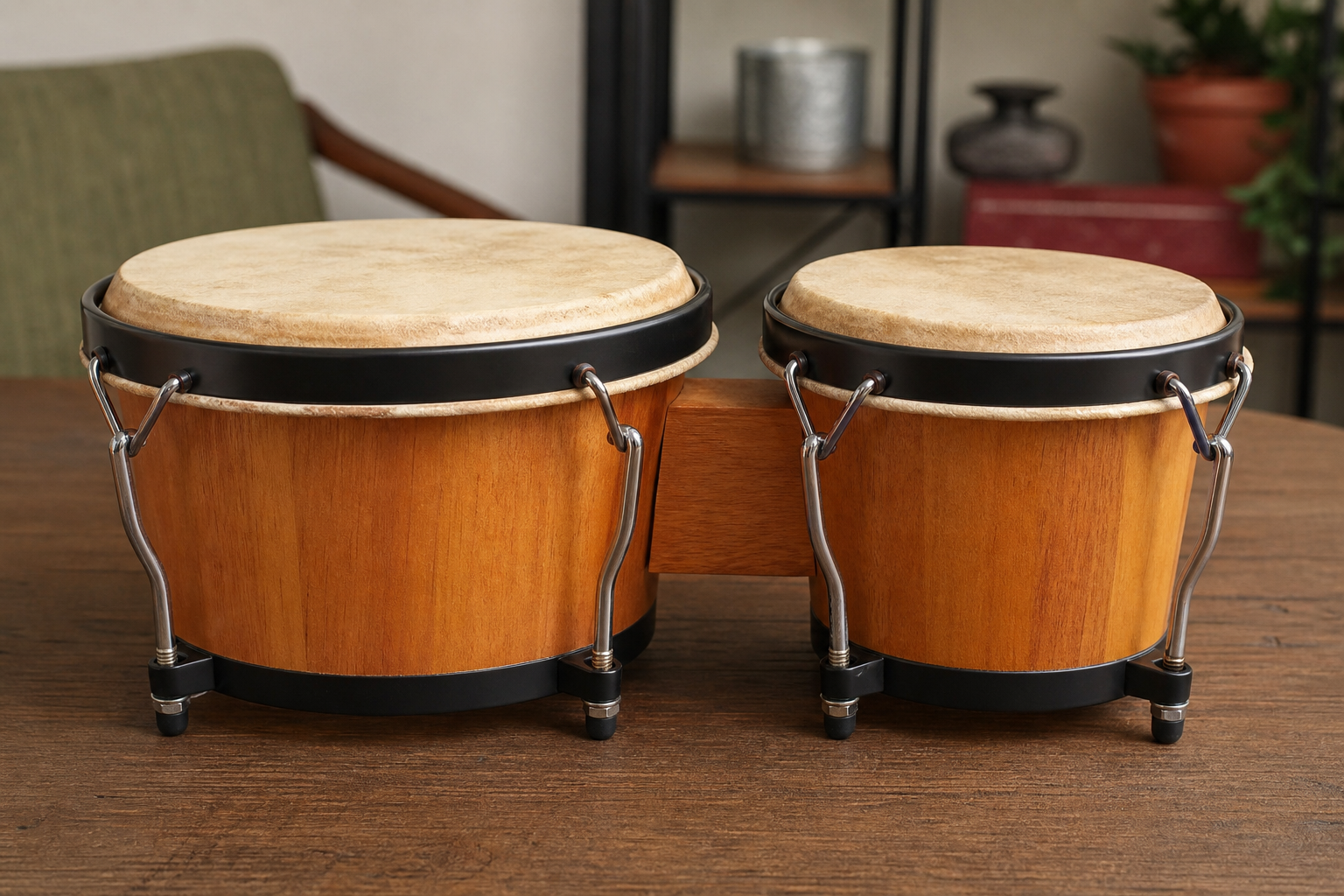
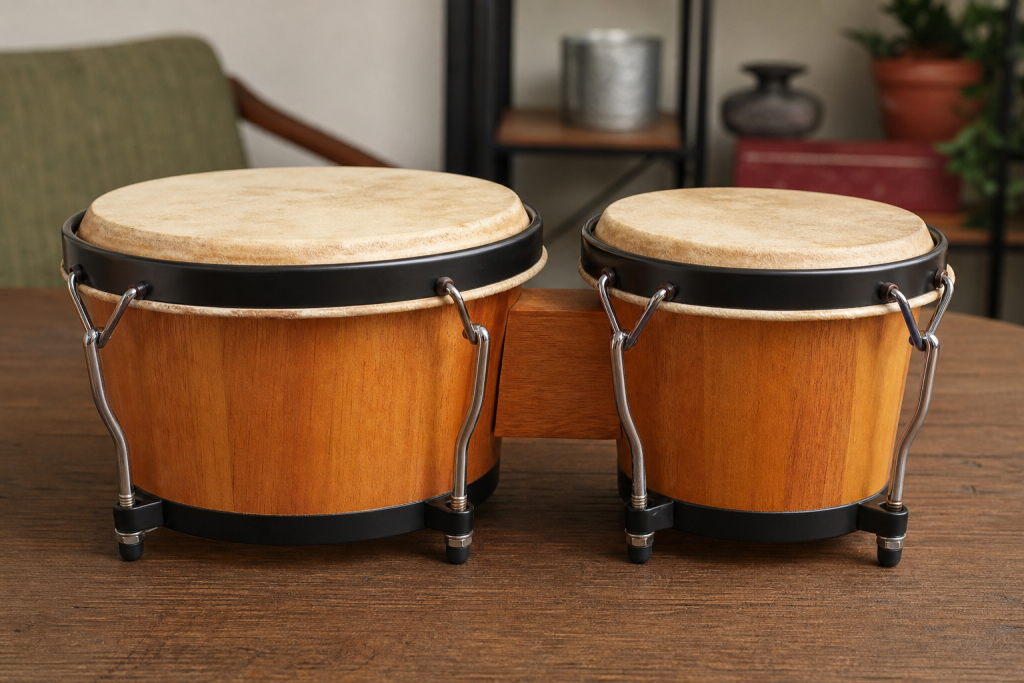
When it comes to musical performance and artistic expression, few choices matter more than taking proper care of your musical instruments. Whether you play the guitar, piano, violin, trumpet, drums, or any other instrument, regular maintenance is essential for preserving sound quality, extending lifespan, and protecting your investment. A well-maintained instrument not only performs better but also provides a more enjoyable playing experience for years to come.
Many musicians spend significant time practicing techniques and learning new songs but often overlook the importance of instrument care. Dust, humidity, temperature changes, and daily wear can gradually affect an instrument’s appearance and performance. Fortunately, with a few simple habits and maintenance routines, you can keep your instrument in excellent condition.
This comprehensive guide will explain the best practices for maintaining and caring for your musical instruments, helping you ensure optimal performance and longevity.
Why Instrument Maintenance Matters
Every musical instrument is made from materials that naturally react to environmental conditions. Wood can expand or contract, metal can corrode, strings can wear out, and mechanical components can become less responsive over time.
Proper maintenance provides several benefits:
Improved sound quality
Longer instrument lifespan
Reduced repair costs
Better playing comfort
Higher resale value
Increased reliability during performances
Regular care helps identify small issues before they become expensive problems, saving both time and money in the long run.
Keep Your Instrument Clean
One of the simplest yet most important maintenance habits is keeping your instrument clean.
During every practice session, oils, sweat, dirt, and dust accumulate on the surface. Over time, these contaminants can damage finishes and affect performance.
Daily Cleaning Tips
After each use:
Wipe the instrument with a soft microfiber cloth.
Remove fingerprints and moisture.
Clean strings, keys, or surfaces that come into direct contact with your hands.
Store the instrument properly after cleaning.
A few minutes of cleaning after every session can significantly extend the life of your instrument.
Store Instruments Properly
Proper storage is critical for maintaining both appearance and functionality.
Environmental factors such as temperature fluctuations and humidity changes can seriously damage musical instruments.
Ideal Storage Conditions
Most instruments should be stored in:
Cool environments
Stable temperatures
Moderate humidity levels
Dust-free areas
Protective cases
Avoid placing instruments near:
Windows
Heating vents
Air conditioners
Direct sunlight
Damp basements
Consistent environmental conditions help prevent warping, cracking, and other structural issues.
Control Humidity Levels
Humidity is especially important for wooden instruments.
Examples include:
Acoustic guitars
Violins
Cellos
Ukuleles
Pianos
Woodwind instruments
Excessive dryness can cause wood to crack, while excessive humidity can lead to swelling and distortion.
Most wooden instruments perform best in humidity levels between 40% and 60%.
Using a room humidifier or instrument-specific humidification system can help maintain ideal conditions throughout the year.
Replace Worn Strings Regularly
For stringed instruments, fresh strings are essential for maintaining optimal tone and playability.
Over time, strings accumulate dirt, oils, and corrosion that reduce sound quality.
Signs That Strings Need Replacement
Dull tone
Difficulty staying in tune
Visible rust or discoloration
Rough texture
Reduced sustain
Depending on usage frequency, strings may need replacement every few weeks or months.
Cleaning strings after playing can help extend their lifespan.
Care for Wind Instruments
Wind instruments require special attention because moisture accumulates inside during use.
Brass Instruments
Examples include:
Trumpets
Trombones
Tubas
French horns
Maintenance tips:
Empty moisture valves regularly.
Clean mouthpieces frequently.
Lubricate slides and valves.
Perform deep cleaning periodically.
Woodwind Instruments
Examples include:
Clarinets
Saxophones
Flutes
Oboes
Maintenance tips:
Swab the interior after each session.
Clean keys carefully.
Replace worn pads when necessary.
Store reeds properly.
Routine care helps maintain tone quality and mechanical reliability.
Maintain Piano Performance
Pianos are among the most complex musical instruments and require specialized maintenance.
Regular piano care includes:
Dusting the exterior
Cleaning keys gently
Controlling room humidity
Scheduling professional tuning
Most pianos should be tuned at least once or twice per year.
Temperature and humidity fluctuations can cause strings and wooden components to shift, affecting tuning stability.
Consistent maintenance preserves both sound quality and mechanical performance.
Protect Electronic Instruments
Electronic instruments such as keyboards, synthesizers, and digital pianos also require proper care.
Maintenance Recommendations
Keep equipment dust-free.
Use protective covers when not in use.
Avoid liquids near electronic components.
Protect cables from excessive bending.
Update firmware when applicable.
Proper handling can significantly extend the lifespan of electronic equipment and prevent costly repairs.
Handle Instruments Carefully
Even the highest-quality instrument can suffer damage from improper handling.
Always:
Use both hands when carrying valuable instruments.
Secure instruments in protective cases during transport.
Avoid placing heavy objects on top of instrument cases.
Use instrument stands when appropriate.
Accidental drops and impacts remain among the most common causes of instrument damage.
Developing careful handling habits is one of the best forms of preventative maintenance.
Schedule Professional Maintenance
While daily care is important, some maintenance tasks require professional expertise.
Professional technicians can:
Adjust instrument setup
Replace worn components
Repair structural issues
Perform detailed cleaning
Optimize playability
Regular inspections help identify potential problems before they worsen.
Professional servicing is especially important for high-value instruments and those used frequently for performances.
Maintain Drum Kits Properly
Drummers should pay attention to both drum shells and hardware.
Drum Maintenance Tips
Wipe drum shells regularly.
Tighten loose hardware.
Replace worn drumheads.
Lubricate moving components.
Store cymbals carefully.
Clean drums not only look better but also produce more consistent sound quality.
Replacing drumheads periodically helps maintain proper tone and response.
Create a Maintenance Routine
The best way to care for your instrument is by developing a consistent maintenance schedule.
Daily Tasks
Wipe down surfaces
Remove moisture
Store properly
Weekly Tasks
Inspect components
Check tuning stability
Clean hard-to-reach areas
Monthly Tasks
Deep cleaning
Replace worn accessories
Check for signs of damage
A structured routine prevents neglect and keeps instruments performing at their best.
Why Choose This Product?
Investing time in musical instrument maintenance offers numerous advantages.
Better Sound Quality
Clean and properly maintained instruments produce clearer, richer tones.
Longer Lifespan
Routine care protects materials and mechanical components from premature wear.
Reduced Repair Costs
Preventative maintenance minimizes the likelihood of expensive repairs.
Improved Performance
Well-maintained instruments respond more consistently and comfortably.
Higher Resale Value
Instruments kept in excellent condition often retain more of their original value.
Greater Reliability
Whether practicing at home or performing on stage, reliable equipment provides peace of mind.
Enhanced Playing Experience
Musicians can focus on creativity and performance instead of worrying about equipment problems.
Conclusion
Maintaining and caring for your musical instruments is one of the most important responsibilities every musician should embrace. From daily cleaning and proper storage to humidity control and professional servicing, each aspect of maintenance contributes to preserving sound quality, appearance, and functionality.
No matter what instrument you play, consistent care will help protect your investment and ensure years of enjoyable performance. A well-maintained instrument not only sounds better but also inspires confidence and creativity. By developing good maintenance habits today, you can keep your musical instruments performing beautifully for decades to come.
