Post
Top Musical Instruments Every School Band Should Have
Jun
Top Musical Instruments Every School Band Should Have
When it comes to building a successful school band, few decisions matter more than choosing the right musical instruments. A well-balanced band creates a richer sound, provides students with diverse learning opportunities, and helps develop teamwork, discipline, and creativity. Whether a school is starting a new music program or expanding an existing ensemble, selecting the proper combination of instruments is essential for achieving musical excellence.
School bands play an important role in education. They introduce students to music theory, performance skills, and artistic expression while fostering confidence and collaboration. However, a band can only reach its full potential when it includes instruments that cover different ranges, tones, and musical functions.
From woodwinds and brass to percussion and rhythm instruments, each section contributes something unique to the overall sound. In this guide, we will explore the top musical instruments every school band should have, their benefits, and how they work together to create a complete and dynamic ensemble.
Why School Bands Matter
Before discussing specific instruments, it is important to understand the value of school band programs.
Music education offers numerous benefits, including:
Improved concentration and memory
Enhanced teamwork and communication skills
Increased self-confidence
Better academic performance
Development of creativity
Stronger discipline and responsibility
Participating in a school band teaches students how to work toward shared goals while expressing themselves through music.
A balanced collection of instruments allows students of different interests and skill levels to find their place within the ensemble.
The Importance of Instrument Diversity
Every instrument family contributes a unique voice to the band.
A complete school band generally includes:
Woodwind instruments
Brass instruments
Percussion instruments
Rhythm section instruments
Together, these sections create harmony, melody, rhythm, and depth.
Without proper balance among these groups, the overall sound may become incomplete or lack musical richness.
Flute
The flute is one of the most popular instruments in school bands and often serves as an excellent starting point for beginners.
Known for its bright and clear tone, the flute typically carries melodic passages and adds brilliance to the ensemble.
Benefits of including flutes:
Lightweight and portable
Easy for many beginners to learn
Produces a beautiful high-range sound
Suitable for various music styles
Flutes help provide clarity and sparkle within band arrangements and are often featured prominently in concert performances.
Clarinet
The clarinet is considered one of the most versatile woodwind instruments.
Its wide range allows it to perform both melodic and harmonic roles within the ensemble.
Advantages of clarinets include:
Warm and expressive tone
Flexible range
Suitable for beginners and advanced players
Commonly used in concert and marching bands
A strong clarinet section contributes richness and balance to the overall band sound.
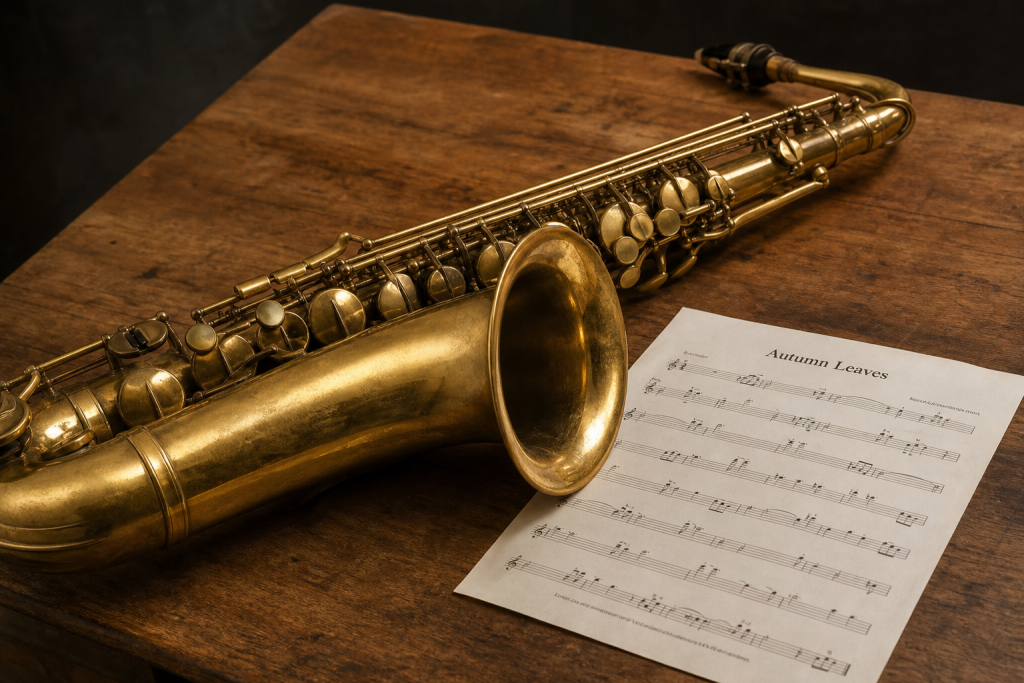
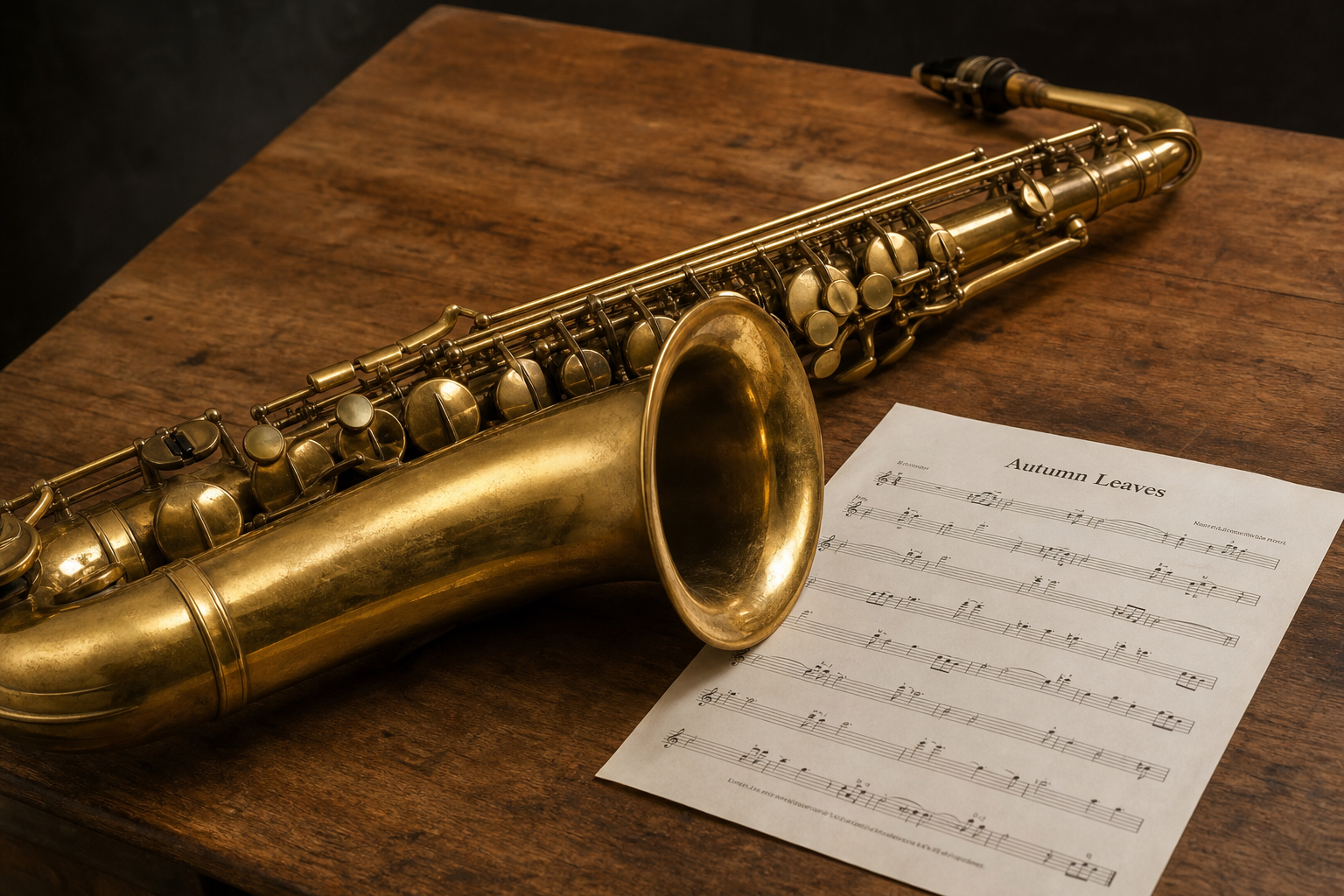
Saxophone
The saxophone combines characteristics of both woodwind and brass instruments, creating a distinctive and powerful voice.
School bands often include:
Alto saxophone
Tenor saxophone
Baritone saxophone
Benefits of saxophones:
Rich and full sound
Popular among students
Versatile across musical genres
Strong projection during performances
Saxophones often bridge the gap between woodwind and brass sections, enhancing overall ensemble cohesion.
Trumpet
The trumpet is one of the most recognizable instruments in any band.
Its bright tone and strong projection make it ideal for melodies, fanfares, and energetic musical passages.
Reasons every school band should have trumpets:
Excellent projection
Versatile musical applications
Important leadership role within the brass section
Frequently featured in performances
Trumpets add excitement and power to the band’s sound.
Trombone
The trombone contributes depth and warmth to the brass section.
Its unique slide mechanism allows players to create smooth transitions between notes and expressive musical effects.
Benefits of trombones:
Rich lower register
Strong harmonic support
Distinctive sound character
Essential brass section balance
A well-developed trombone section strengthens the foundation of the ensemble.
French Horn
The French horn is known for its smooth, warm, and noble sound.
Although it can be challenging for beginners, it plays a critical role in creating a balanced brass section.
Advantages include:
Beautiful tonal quality
Wide dynamic range
Important harmonic function
Suitable for advanced student musicians
French horns help connect woodwinds and brass instruments through their unique timbre.
Tuba
The tuba serves as the bass foundation of the entire band.
Without a strong low-end presence, many musical arrangements can sound thin or incomplete.
Benefits of tubas:
Provides bass support
Strengthens ensemble balance
Supports rhythm and harmony
Essential for marching and concert bands
The tuba may not always play the melody, but it is one of the most important instruments in the ensemble.
Snare Drum
The snare drum is a key component of the percussion section.
Its crisp and precise sound helps maintain rhythm and timing throughout performances.
Benefits include:
Supports tempo consistency
Develops rhythmic skills
Adds energy and excitement
Essential for marching bands
The snare drum often acts as the heartbeat of the band.
Bass Drum
The bass drum delivers powerful low-frequency impact.
Its deep sound reinforces rhythm and provides a strong pulse for the ensemble.
Advantages:
Creates dynamic emphasis
Enhances marching performances
Supports ensemble timing
Adds dramatic effect
Together with the snare drum, the bass drum forms the rhythmic backbone of the band.
Cymbals
Cymbals add color, excitement, and dramatic accents to musical performances.
School bands often use:
Crash cymbals
Suspended cymbals
Ride cymbals
Benefits include:
Increased musical expression
Dynamic contrast
Enhanced performance energy
Greater orchestral depth
Percussionists use cymbals to create memorable moments during performances.
Keyboard or Piano
Although not always present in traditional marching bands, keyboards and pianos are extremely valuable for school music programs.
Advantages include:
Supports music education
Helps teach music theory
Useful for rehearsals
Versatile across many genres
A keyboard can also substitute for various instruments when necessary.
Percussion Accessories
Beyond drums and cymbals, school bands benefit from additional percussion instruments such as:
Tambourines
Triangles
Xylophones
Glockenspiels
Marimbas
These instruments expand the band’s tonal possibilities and expose students to a broader range of musical experiences.
Building a Balanced School Band
A successful school band requires balance among instrument sections.
An ideal ensemble typically includes:
Woodwinds
Flutes
Clarinets
Saxophones
Brass
Trumpets
Trombones
French horns
Tubas
Percussion
Snare drums
Bass drums
Cymbals
Auxiliary percussion
Rhythm Instruments
Keyboard or piano
This combination allows the band to perform a wide variety of musical styles and arrangements.
Benefits for Students
Providing students access to diverse instruments offers numerous advantages.
Students learn:
Teamwork
Leadership
Responsibility
Musical literacy
Performance skills
Creative expression
Many students who participate in school bands develop lifelong appreciation for music and continue performing well into adulthood.
Why Choose This Product?
Investing in quality musical instruments for a school band offers long-term benefits for both students and educational institutions.
Comprehensive Music Education
Students gain hands-on experience with professional-quality instruments.
Improved Performance Quality
A well-equipped band produces a richer and more balanced sound.
Increased Student Participation
Offering various instruments allows more students to find an option that matches their interests.
Long-Term Durability
Quality instruments can serve multiple generations of students.
Enhanced School Reputation
Strong music programs often attract greater community support and student engagement.
Broader Musical Opportunities
Students can participate in concerts, competitions, festivals, and community events.
Conclusion
Creating a successful school band begins with selecting the right instruments. Flutes, clarinets, saxophones, trumpets, trombones, French horns, tubas, drums, cymbals, and keyboards each contribute unique qualities that help form a complete and balanced ensemble. Together, these instruments create harmony, rhythm, melody, and musical depth that inspire students and audiences alike.
A well-equipped school band not only produces outstanding performances but also provides valuable educational experiences that develop confidence, discipline, teamwork, and creativity. By investing in the essential musical instruments every school band should have, schools can build strong music programs that enrich students’ lives for years to come.
